If you own a character home in Tarrytown, you are not just selling square footage. You are selling setting, architecture, history, and the feeling buyers get when they pull onto a tree-lined street and see a home that fits this established part of Austin. That can create real opportunity, but it also means pricing, preparation, and documentation matter more than they might for a more typical property. In this guide, you will learn what sellers in Tarrytown should know before listing, from market conditions and presentation to disclosures, appraisal risk, and historic review. Let’s dive in.
Why Tarrytown character homes stand out
Tarrytown has a long-established identity in central Austin. According to the Tarrytown neighborhood overview, the area is known for mature trees, well-kept lawns, and a mix of older homes, estates, and bungalows, with roots dating back to 1915.
That context matters when you sell. In Tarrytown, buyers often respond to more than bedroom count or total square footage. They are also noticing the lot, the tree canopy, the street presence, and how your home fits the neighborhood’s older architectural fabric.
What the current market means
Recent data shows Tarrytown remains a premium market, but it is not moving at a breakneck pace. Redfin’s Tarrytown housing market snapshot reports a median sale price of $1.95 million, a median sale price per square foot of $653, and a median of 74 days on market, with homes averaging about 5% below list price.
At the same time, Realtor.com’s neighborhood overview shows 51 homes for sale, a median listing price of $1.799 million, and a median of 36 days on market. These numbers measure different things, so they are not directly comparable, but together they suggest a high-value market where thoughtful pricing still matters.
Pricing needs a local lens
For a distinctive home, neighborhood averages are only a starting point. Fannie Mae’s comparable sales guidance says comps should be similar in physical and legal characteristics and should come from the same market area when possible.
That is especially important in Tarrytown. If your home has original architectural details, a unique lot, or uncommon updates, broad Austin averages may not tell the full story. The most useful pricing strategy usually starts with recent nearby sales that reflect your home’s style, condition, and setting as closely as possible.
Prepare the home without erasing its identity
The strongest Tarrytown listings tend to strike a balance. They preserve the home’s original charm while also helping buyers feel confident that the property has been well cared for.
That means your prep plan should go beyond basic staging. You want the home to feel clean, intentional, and move-in ready, while still letting its architectural character and landscaping do some of the selling work.
Focus on visible condition
Older homes can raise more buyer questions, even when they are beautifully maintained. If maintenance has been deferred, buyers may assume there are larger issues behind the scenes.
Before listing, it helps to review items such as:
- peeling paint or worn finishes
- aging fixtures that distract from the home’s style
- visible foundation, drainage, or moisture concerns
- HVAC, roofing, plumbing, or electrical issues
- incomplete records for past updates or additions
Consider pre-list inspection value
A home inspection can reveal issues before a buyer does. The Consumer Financial Protection Bureau notes that buyers may negotiate repairs or credits, or walk away, based on inspection findings.
For a Tarrytown character home, this can be especially useful. If you understand likely concerns in advance, you can choose what to repair, what to disclose, and how to position the home more confidently before it hits the market.
Disclosures matter more in older homes
For many character homes, age is part of the appeal. It also brings added seller responsibilities.
If your home was built before 1978, lead-based paint disclosure rules may apply. The EPA’s lead disclosure guidance explains that federal requirements cover most pre-1978 housing and notes that older homes are more likely to contain lead-based paint.
That does not mean your sale is in trouble. It simply means you need to handle disclosure carefully and make sure any renovation or repair planning takes those rules into account.
Be ready with records
Buyers of character homes often want clear answers to practical questions. They may ask what is original, what has been replaced, and whether prior work was permitted.
A simple, organized file can help support buyer confidence. If available, gather records for renovations, system upgrades, roof work, window replacement, foundation work, and permits related to additions or major exterior changes.
Tell a complete story in your marketing
A Tarrytown character home is not just a structure. It is also part of a specific place in Austin.
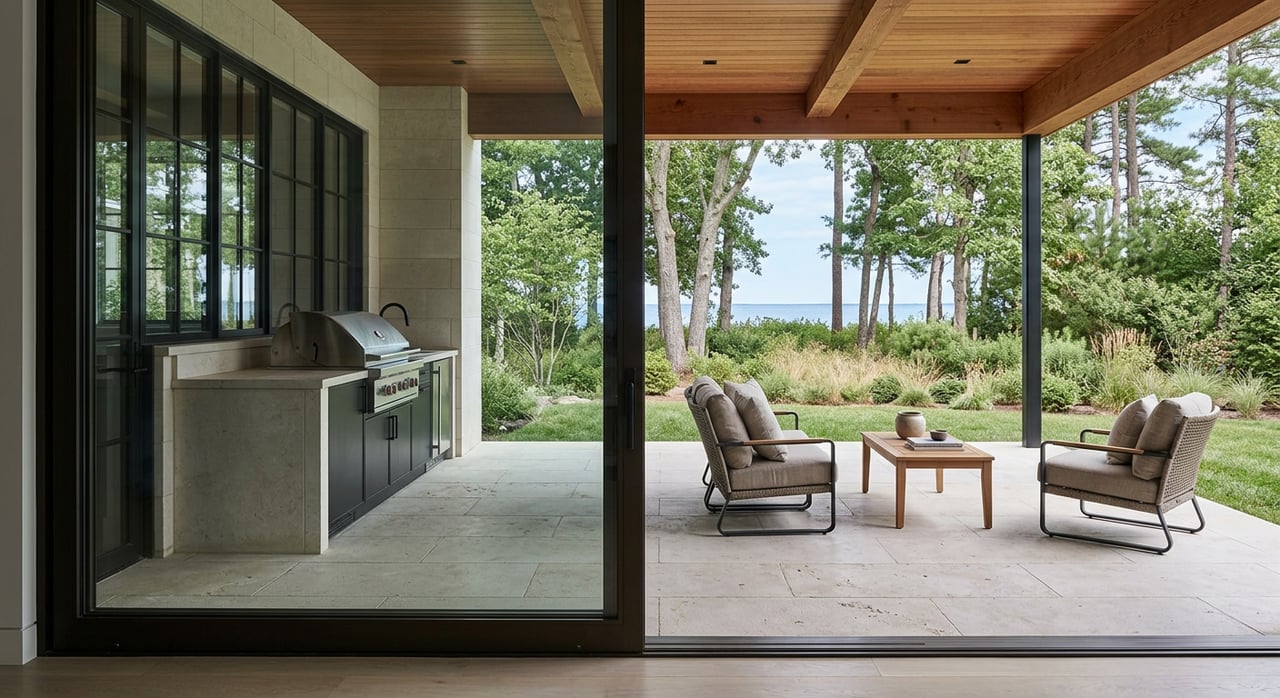
That is why marketing should present the home as both an architectural property and a lifestyle property. The neighborhood’s mature trees, central location, and mix of historic homes, estates, and bungalows help create context that buyers can feel.
Use visuals that support the home’s strengths
Strong photography matters in any price point, but it is especially important for a distinctive home. Buyers need to understand what makes the property feel different from a newer or more generic alternative.
That often means highlighting:
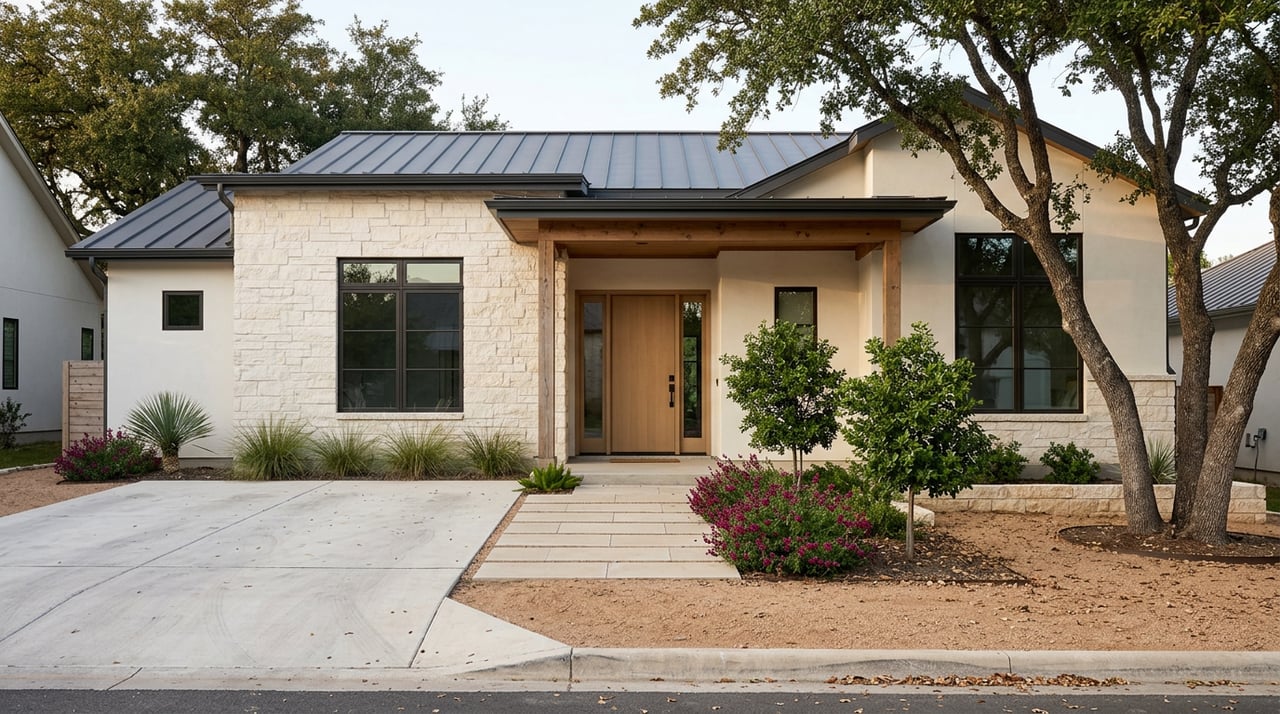
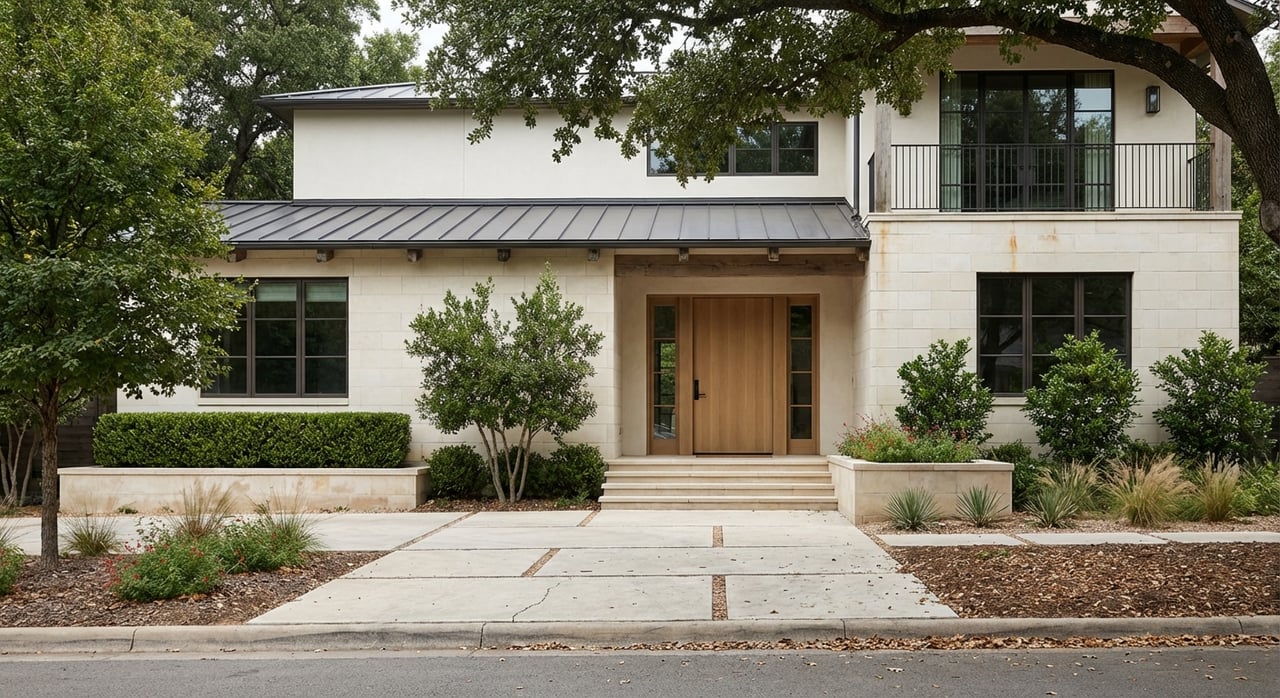
- the front elevation and how it sits on the lot
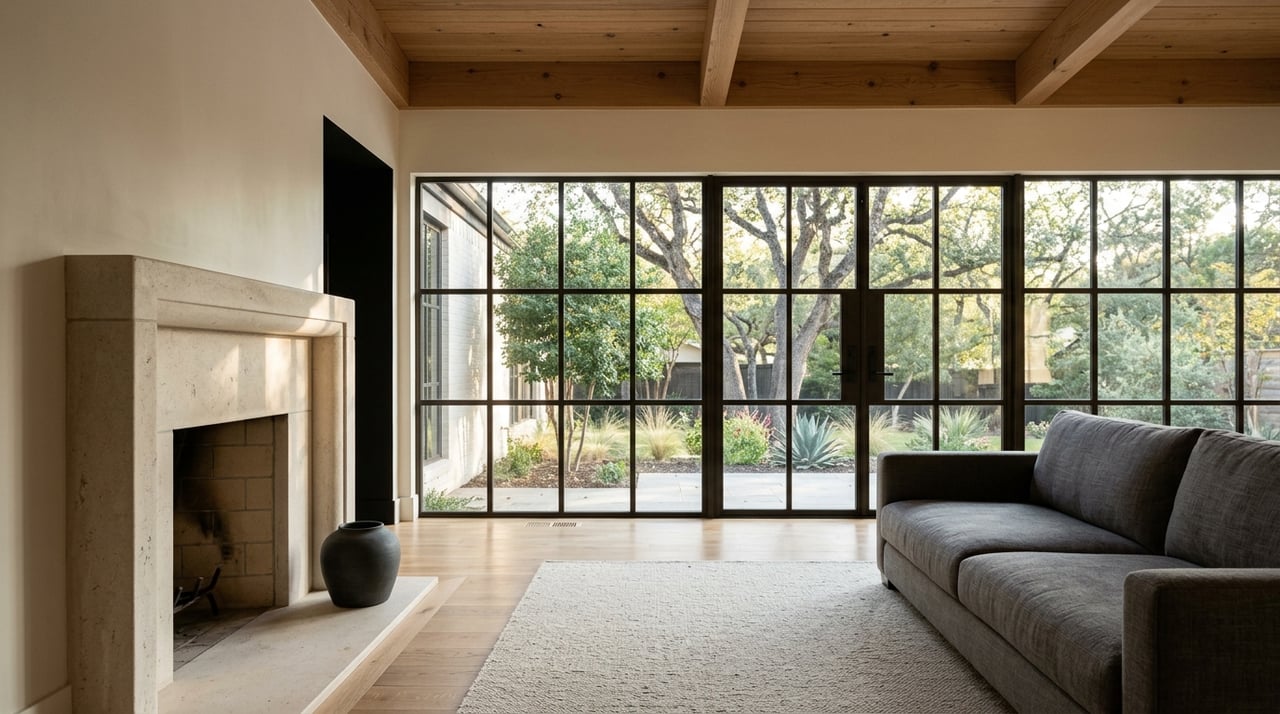
- original details and design elements
- indoor-outdoor flow
- mature landscaping and tree canopy
- updates that improve everyday function
Clear marketing also helps reduce confusion. If the home has had thoughtful improvements over time, those updates should be presented in a way that supports the home’s overall story rather than making it feel pieced together.
Appraisal can be the hardest part
For unique homes, appraisal risk is real. Fannie Mae says the best comparables are similar in style, size, condition, and location, and sales from the same neighborhood are preferred when available.
That can be challenging when your property does not have many close matches. A rare floor plan, unusual finishes, large lot, or highly specific architectural style may make it harder to find direct comps.
Why documentation helps
If an appraiser needs to go outside the immediate neighborhood for stronger comparable sales, the rationale should be explained. That is one reason seller documentation matters.
A clear record of updates, additions, permits, and notable property features can help support the case for value. It does not control the appraisal, but it can make the property easier to understand when the home falls outside the norm.
Low appraisals can affect negotiations
The CFPB explains that when an appraisal comes in below the contract price, it can signal that the agreed price is above market value and may lead to renegotiation.
For sellers, this means a great offer is not always the same as a secure offer. With a distinctive Tarrytown home, a pricing strategy that can stand up to appraisal scrutiny is often just as important as generating buyer interest.
Check historic status before major work
Historic status can add both value and complexity. The City of Austin Historic Preservation Office provides a Historic Property Viewer that can help show whether a property is a landmark, sits in a locally designated historic district, or is in a National Register district.
That matters because the city says exterior alterations, additions, permanent site work, signs, and new construction on those properties require historic review. If you are planning pre-list improvements, it is smart to verify the property’s status before moving forward with visible exterior changes.
There may be incentives too
The city also notes that some contributing properties in historic districts may qualify for incentives tied to rehabilitation, and historic landmarks may qualify for annual tax exemptions through the city, Travis County, and AISD. You can review those details through Austin’s historic incentives and grants information.
For sellers, the key takeaway is simple: check before you change. It can help you avoid delays and make more informed decisions about where to invest before listing.
Be ready to answer neighborhood questions
Buyers may also ask about nearby projects or street impacts. Austin Water’s South Tarrytown Water and Wastewater Pipeline Renewal Project began construction in October 2023 and is expected to take about 36 months as aging lines are replaced.
If your block or access routes are affected, it helps to be prepared with accurate information. Being upfront about project notices, traffic patterns, or temporary access impacts can build trust and reduce surprises during the transaction.
A smart selling strategy for Tarrytown
Selling a character home in Tarrytown usually requires more than a standard list-and-wait approach. You need pricing that reflects the local comp landscape, presentation that honors the home’s identity, and documentation that helps buyers and appraisers understand what makes the property special.
In a neighborhood where premium pricing meets a limited pool of true comparable sales, details matter. The right preparation can help you protect value, reduce friction, and attract buyers who appreciate both the home itself and its place within Tarrytown.
If you are thinking about selling and want a tailored strategy for your Tarrytown home, Allison Winkler can help you plan your pricing, presentation, and next steps with a calm, high-touch approach.
FAQs
What should you do before selling a character home in Tarrytown?
- Start with pricing, condition, disclosures, and documentation. Gather records for updates and permits, review visible maintenance, and confirm whether the home has any historic status or special disclosure requirements.
How should you price a unique home in Tarrytown?
- Use neighborhood-specific comparable sales whenever possible. For distinctive homes, nearby properties with similar style, condition, lot characteristics, and size are usually more useful than broad citywide averages.
Do older homes in Tarrytown require lead-based paint disclosure?
- If the home was built before 1978, federal lead disclosure rules may apply to most housing. Review the EPA requirements carefully and make sure disclosures are handled correctly.
Can historic status affect the sale of a Tarrytown home?
- Yes. Historic designation or district status can affect what exterior work requires review, and it may also create access to certain incentives or tax benefits. Check the City of Austin’s historic resources before making major changes.
Why is appraisal a concern for Tarrytown character homes?
- Character homes can be harder to match with direct comparable sales. If there are few similar recent sales nearby, appraisal risk can increase, which may affect negotiations if the contract price is higher than the appraised value.
Should sellers mention infrastructure work near a Tarrytown property?
- Yes. If nearby utility or street work affects access, traffic flow, or the immediate area, it is helpful to share accurate information early so buyers understand the situation.