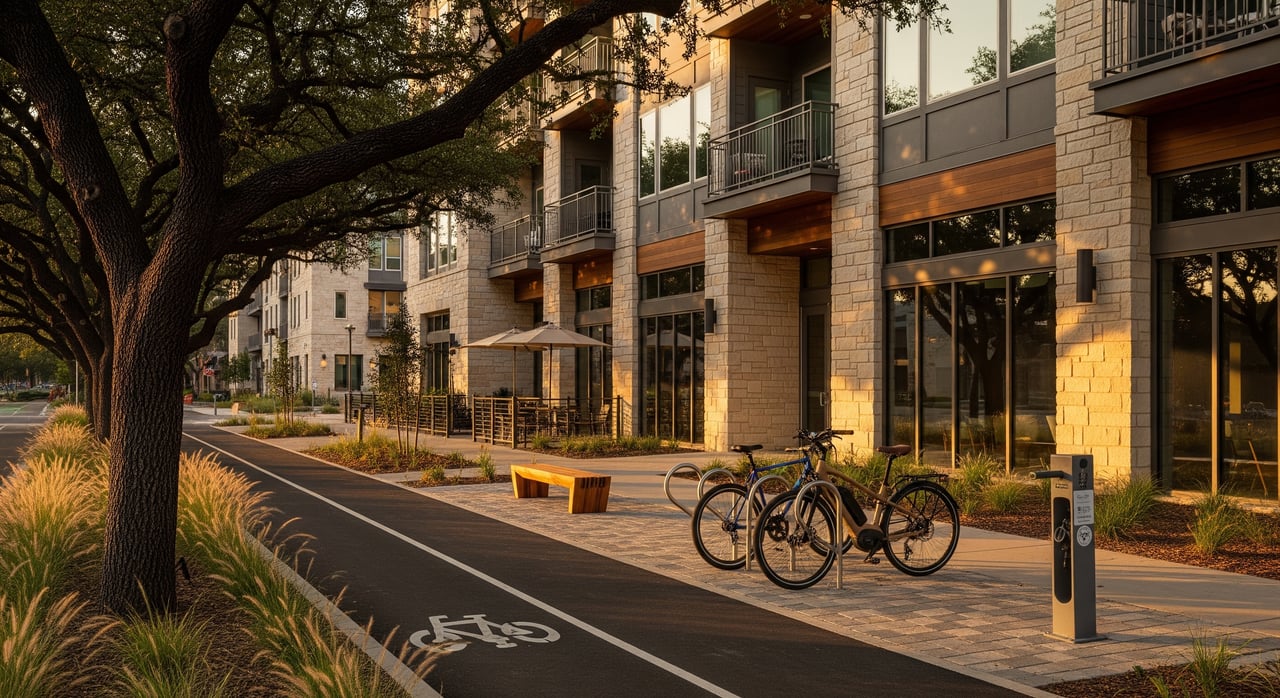
What if most of your weekly errands didn’t require car keys? In Central Austin, many residents live comfortably with fewer cars by tapping into walkable streets, bus corridors, bikeways, and short rideshare hops. If you want an urban lifestyle with easy access to food, parks, and culture, a car-light approach can fit. In this guide, you’ll see where it works best, how to get around, what daily life looks like, and how to test it for yourself. Let’s dive in.
What car-light means here
A car-light lifestyle means you own no car or fewer cars than drivers in your home and rely on a mix of walking, biking, transit, scooters, rideshare, or the occasional rental. It is common among young professionals, students, and empty nesters. Families can do it too, though daily routines may require a hybrid plan. The trade-off is simple: more access to urban amenities and lower car costs, with smaller living space and different habits for errands.
Walkable pockets and corridors
Downtown and university area
Downtown and the Warehouse District offer dense dining, entertainment, and workplaces in a compact area. West Campus and the Guadalupe “Drag” sit next to the university and bring student-focused retail with heavy foot traffic. Rainey Street and the riverfront area add short blocks and constant activity. If you want a high-amenity lifestyle in a small footprint, these are among the easiest places to go car-light.
South Congress and nearby
South Congress and South First concentrate retail, food, and nightlife in a walkable strip. Zilker and Bouldin Creek mix quiet streets with neighborhood cafés and local shops. You can often cover daily errands on foot and add biking or a quick bus ride for longer trips. The mix of residential and commercial makes these neighborhoods flexible for car-light routines.
Clarksville, Hyde Park, and North Loop
Clarksville offers a historic street grid with small commercial nodes. Hyde Park and North Loop blend older homes, small apartments, and pocket retail that keep daily needs close. Mixed-use corridors like Guadalupe, South Lamar, Burnet, and parts of Congress Avenue connect these areas across the core. For fresh air and recreation, the Lady Bird Lake/Ann and Roy Butler Trail and Shoal Creek Greenbelt give you scenic routes that also work for commuting.
Getting around without a car
Walking and micromobility
In core neighborhoods, many daily trips are walkable thanks to short blocks and nearby destinations. Sidewalk quality can vary by street, so test your routes at different times of day. E-scooters and dockless bikes help with 1 to 3 mile trips and are common near activity hubs. They are useful for quick errands, though availability and weather can affect your plan.
Biking basics
Central Austin has a growing network of on-street bike lanes, some protected facilities, and multi-use trails. Many apartments and condos now include bike storage and repair stations. Summer heat shapes habits, so plan rides in the morning or evening, drink water, and choose shaded routes when you can. A bike expands your range and can make off-peak errands faster than driving and parking.
Public transit today and ahead
Central corridors have the densest bus coverage and the most frequent service, which works well for downtown commutes. The commuter rail serves specific routes into downtown and can be useful depending on your destination. Long term, Project Connect aims to expand high-capacity transit and bus-rapid corridors, improving car-light options over time. For now, it signals progress while everyday mobility still relies on current bus and rail service.
Rideshare and occasional car use
Rideshare fills gaps for late nights, airport trips, medical visits, or grocery runs. Many car-light households also use short-term rentals for bulk errands or weekend outings. If you expect regular regional travel, planning for occasional car access will keep your routine smooth.
Daily life and logistics
Groceries and fresh food
You’ll find a mix of full-service supermarkets, natural food stores, specialty markets, and convenience shops across central neighborhoods. Many residents shift from a single weekly stock-up to smaller trips on foot. Farmers markets, such as the one at Republic Square, can anchor your week for fresh produce. Grocery delivery and curbside pickup are widely used to simplify bulk needs.
Medical services and pharmacies
Clinics, urgent care, and pharmacies are common near dense neighborhoods, which keeps basic care close. Specialty care may require travel outside your immediate area. Many residents use rideshare for scheduled appointments to avoid parking.
Families and school routines
Car-light with kids is possible, but it takes planning. School locations, pick-up schedules, and after-school activities can introduce car needs even if errands are close. Some families keep one car and combine transit, biking, and rideshare as needed. Daycare spots in walkable areas can be competitive, so plan early and consider transit routes to your chosen location.
Packages and guests
Apartments and newer buildings often have secure parcel rooms that handle daily deliveries. Guest parking can be limited, and many streets use meters or permit programs. Rideshare works well when friends and family visit, especially in busy areas.
Housing and costs
What you’ll find
Central Austin’s housing mix includes high-rise condos, mid-rise apartments, older single-family homes, duplexes, and historic bungalows converted to small multifamily. Smaller units with fewer bedrooms are more common and often cost more per square foot than suburban options. Many buildings highlight bike storage, package rooms, and proximity to amenities as part of their value.
Parking realities
Newer multifamily buildings usually offer structured parking, sometimes with an added fee. Older properties and smaller complexes may have limited on-site parking. On-street parking near the core often uses meters or permit programs. Some residents choose units without dedicated spots to save on rent, relying on street parking, paid garages, or rideshare.
Budget trade-offs
Owning fewer cars means potential savings on insurance, maintenance, gas, and parking. Those savings can help offset higher central rents and smaller spaces. Your numbers will depend on your commute, lifestyle, and how often you use rideshare or rentals. A clear budget plan keeps the trade-offs transparent.
Safety, weather, and access
Street safety
Pedestrian and cyclist safety is a priority in city programs, with improvements built corridor by corridor. Some busy routes see more incidents, so consider protected paths and well-lit streets at night. Many riders use helmets and high-visibility clothing, and prefer to travel in groups for evening outings.
Heat and seasons
Summer heat is a real factor. You may prefer morning or evening trips, choose shaded routes, and carry water. In fall and winter, shorter daylight hours can change your routine. Track how your comfort shifts with the seasons and build a backup plan if needed.
Accessibility needs
Sidewalk continuity, curb cuts, and stop accessibility vary by street and route. If mobility is a concern, walk your likely paths and check access features before you commit. Small differences block by block can affect your daily experience.
Try a car-light test
Before you move, run a real-world trial. Here is a simple checklist to guide you:
- Map your top destinations: work, grocery, gym, medical, school. Compare actual walk, bike, and transit times, not just distance.
- Check transit frequency at your address during your commuting hours.
- Walk the neighborhood at the time you would travel: early morning, hot midday, and after dark. Assess shade, lighting, and comfort.
- Inspect building amenities: secure bike storage, repair stations, parcel room, on-site laundry, and maintenance access.
- Confirm parking policies: assigned spots, guest parking, street permits, and garage fees.
- Review grocery options by type and hours, plus nearby pharmacies and clinics.
- Plan for occasional car needs: rideshare budget, short-term rentals, or car-share options.
- Try two weeks without your primary car. Use transit, bike, and rideshare to test your routine.
Who thrives car-light
Young professional
You walk to a café, then bike to a downtown office on a connected route. At lunch, you pick up groceries on foot. You use rideshare once a week for an evening event and bike home the rest of the time.
Graduate student
You walk to classes and rely on micromobility for errands. A small neighborhood grocer and campus delivery services cover most needs. You skip car ownership and keep a simple budget.
Small family
You keep one car for school logistics and weekend activities. Buses or bikes handle local trips during the week. For monthly bulk shopping, you rent a car for a few hours or use delivery.
Is car-light right for you?
If you value convenience, culture, and time saved on parking, Central Austin makes car-light living practical and enjoyable. Success comes from choosing the right pocket, mapping your daily routes, and planning for heat and family logistics. With a clear plan, you can reduce car costs and gain walkable access to the best parts of the city.
Want help matching your lifestyle to the right neighborhood and building? Reach out to Allison Winkler for a friendly consult and tailored guidance on homes, amenities, and daily mobility in Central Austin.
FAQs
What is a car-light lifestyle in Central Austin?
- It means owning no car or fewer cars than drivers and relying on walking, biking, transit, micromobility, rideshare, or occasional rentals for daily needs.
Which Central Austin neighborhoods are most walkable?
- Downtown, West Campus, South Congress, parts of East Austin, and Zilker offer dense amenities and strong transit access that support car-light living.
Can families live car-light in Central Austin?
- Yes, with planning. Many families keep one car for school and activities while using transit, biking, and rideshare for local trips and errands.
How do car-light residents handle groceries?
- Frequent small shops on foot, farmers markets for fresh food, and grocery delivery or short-term rentals for bulk items are common strategies.
Is biking realistic in Austin’s heat?
- It can be, especially with early or late rides, shaded routes, hydration, and light clothing. Many residents mix modes and adjust by season.