Shopping for a home in Rollingwood or West Austin and wondering if your loan will be considered “jumbo”? You are not alone. Many buyers here find their ideal home comes with a loan size that sits above standard limits. This guide gives you a clear, practical overview of how jumbo mortgages work, what lenders expect, and how to prepare a strong file for a smooth close in Rollingwood.
You will learn what counts as a jumbo in Travis County, how jumbos differ from conforming loans, typical down payment and reserve ranges, and how to navigate appraisal timing and documentation. Let’s dive in.
What is a jumbo loan
A jumbo mortgage is a home loan that exceeds the conforming loan limit set by Fannie Mae and Freddie Mac. Because these loans are not eligible for sale to those agencies, private lenders set different rules for approval and pricing.
For 2024, the Federal Housing Finance Agency set the baseline conforming limit for a one-unit property at $766,550. In most of Travis County, loan amounts above the applicable conforming limit are considered jumbo. These limits adjust annually, so make sure you confirm the current FHFA limit when you are ready to shop.
Rollingwood threshold context
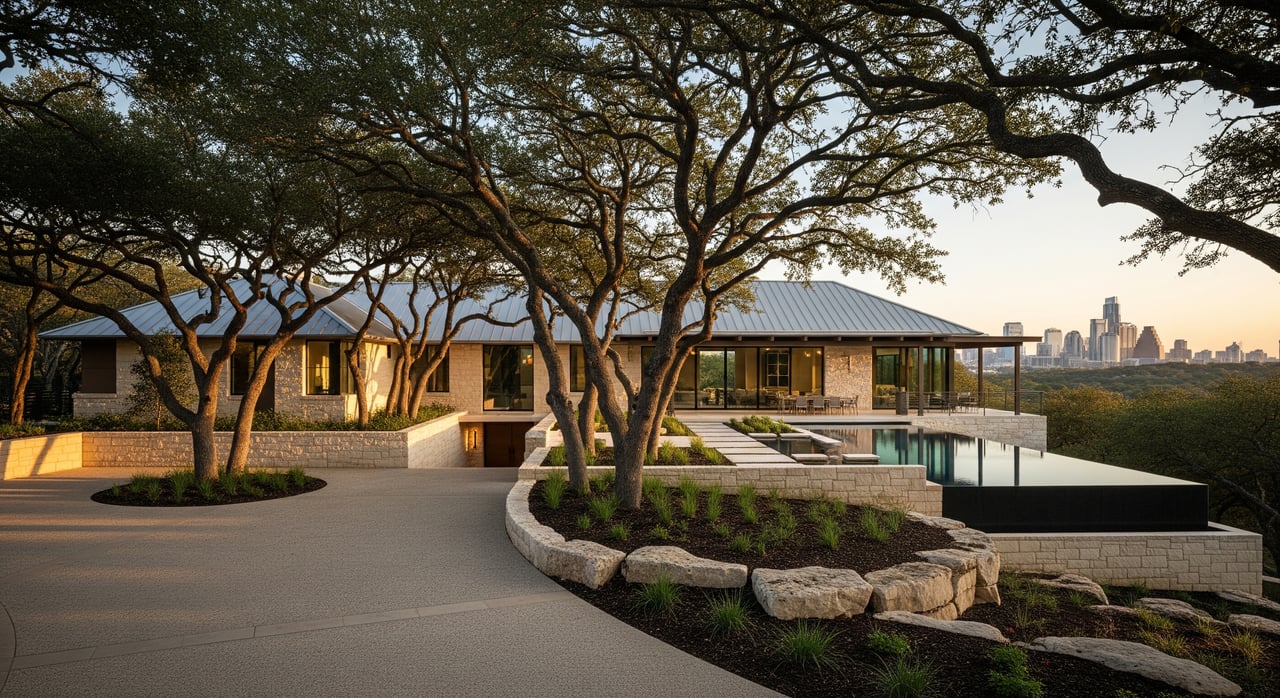
Rollingwood and nearby West Lake Hills rank among the higher-priced submarkets of Austin. That means even entry points for many single-family homes can push loan amounts into jumbo territory. If you plan to finance a significant portion of your purchase, it is wise to explore jumbo options early in your search.
How jumbos differ from conforming loans
Jumbo loans come with a few key differences you should understand before you apply.
Agency purchase and PMI
- Conforming loans that meet Fannie and Freddie rules can be sold to those agencies and often allow Private Mortgage Insurance for lower down payments.
- Jumbo loans are non-conforming. PMI options are uncommon, so lenders typically look for larger down payments and stronger reserves instead.
Underwriting standards
- Jumbos generally require higher credit scores, lower debt-to-income ratios, and larger documented cash reserves.
- Approval relies on each lender’s portfolio guidelines. Rules vary more than with agency-backed loans.
Rates and pricing
- Historically, jumbo rates carried a small premium to conforming. In some markets, jumbo and conforming rates can be similar.
- Pricing depends on your profile, loan size, property type, and whether you choose a fixed rate or an ARM.
Documentation and appraisal
- Expect full documentation: two years of tax returns, W-2s or business returns, pay stubs, and multiple months of asset statements.
- Appraisals for higher-value homes often require deeper comparable sales analysis and can take longer to complete.
Product availability
- You will find conventional-style jumbos, bank portfolio jumbos, and non-QM options for complex incomes. The right fit depends on your finances and goals.
Typical lender expectations
Every lender is different, but you will see common ranges across the market.
Credit score ranges
- Many conventional jumbo programs look for minimum mid-700s. Competitive pricing often starts at 720 to 740, with the best terms for 740 and above.
Down payment and LTV
- For primary residences, you may see 10 to 20 percent down for smaller jumbos, with competitive pricing at 20 percent down.
- As loan amounts rise well above the conforming limit, lenders often ask for 20 to 30 percent down or more.
- Second homes and investment properties usually require lower maximum LTVs and stricter reserves.
Reserves after closing
- Many lenders require 6 to 12 months of PITI in reserves for a primary residence. Investment properties can require 12 months or more.
- Reserve assets can include liquid cash, retirement accounts at a discount, and brokerage funds. Real property equity often does not count.
Debt-to-income ratio
- A DTI at or below 43 to 45 percent is common. Some lenders allow higher ratios for especially strong borrowers with compensating factors.
Income documentation
- Standard: two years of personal tax returns, W-2s if applicable, recent pay stubs, and two months of bank or brokerage statements.
- Self-employed: two years of returns with schedules, K-1s or 1099s, and possibly a year-to-date P&L and business bank statements. Some lenders offer bank-statement or asset-depletion alternatives at different pricing.
Rate choices: fixed vs ARM
You can choose between fixed-rate jumbos and adjustable-rate mortgages.
- ARMs such as 5, 7, or 10-year options can offer lower initial rates, which can fit if you plan to move or refinance within that window.
- Fixed-rate jumbos offer payment stability and are a common choice if you expect to hold the home long term.
Compare options with several lenders. Jumbo pricing is highly lender-specific, and a small change in your down payment or reserve profile can unlock better terms.
Rollingwood-specific factors to plan for
Buying in Rollingwood and West Austin means navigating a few local nuances.
Pricing and comparables
Luxury properties often rely on a small pool of comparable sales. Appraisals can take longer and may involve additional review. Build in extra time and choose a lender experienced with Westlake and Rollingwood valuations.
HOA, CCRs, and lot types
Some properties sit on unique lots, have deed restrictions, or are part of smaller HOAs. These factors can affect eligibility for certain loan programs and insurance, so share all property details with your lender early.
Taxes and insurance
Travis County property taxes, including local school district taxes, can materially change your monthly payment. Homeowners insurance for certain Hill Country homes can also run higher. Lenders will use realistic tax and insurance estimates when calculating your qualifying ratios.
Sale contingencies and bridge needs
If you need to sell a high-value home to buy, discuss bridge loans, second-lien options, or reserve strategies that account for expected sale proceeds. These require clear documentation and a lender that understands jumbo timing.
Time to close
Jumbos can take longer to underwrite due to detailed documentation and appraisals. A quick pre-qualification is often not enough in competitive Rollingwood situations. Aim for a fully documented pre-approval with a jumbo-experienced lender before you write offers.
Step-by-step: prepare to win in Rollingwood
Use this simple plan to move fast and reduce surprises.
- Confirm the limit and budget
- Check the current FHFA conforming loan limit and your target price range. If your loan amount exceeds the limit in Travis County, plan for jumbo requirements.
- Align your down payment and reserves
- Decide how much cash you will use for down payment and how many months of PITI you can document in reserves. Discuss whether retirement funds can count and at what discount.
- Get fully pre-approved
- Complete a full credit pull and submit income and asset documents for lender review. Ask your lender to run scenarios for 10, 20, and 30 percent down so you know how pricing and DTI change.
- Choose your product
- Compare fixed and ARM options across two to three lenders, including at least one portfolio bank or credit union that knows West Austin.
- Plan for the appraisal
- Expect longer timelines. Ask your lender if a second valuation or enhanced review could be required given the price point or property type.
- Lock strategy and closing plan
- Review rate-lock terms and milestones. Confirm TRID timelines, escrow setup, and what triggers final approval.
Your jumbo documentation checklist
Gather these items early to speed up underwriting. Confirm exact needs with your lender.
- Government-issued ID for all borrowers
- Two years of signed federal tax returns with all schedules
- Two years of W-2s if applicable
- Most recent 30 days of pay stubs
- Two to three months of bank statements for checking, savings, brokerage, and retirement accounts
- Month-to-date statements for investment accounts and year-to-date 401(k) or IRA balances
- Documentation of other income such as lease agreements, 1099s, K-1s, or award letters
- Explanations and backup for large deposits, including gift letters and bank statements, or settlement statements for asset sales
- Purchase contract and any addenda
- If contingent on a sale, that contract plus estimated proceeds
- Current mortgage statements or payoff info for any existing properties
- Itemized list of monthly debts and obligations
- If self-employed, year-to-date profit and loss, business tax returns, business bank statements, and business license info
- For asset-heavy borrowers, statements for non-liquid assets and any valuations your lender will accept
Pro tip: consolidate assets into fewer liquid accounts before you apply, and keep a clean paper trail for any transfers. Clear documentation often unlocks faster approvals.
TRID, costs, and closing timing
Jumbo loans still follow standard federal mortgage disclosures, including the Loan Estimate and Closing Disclosure. Closing costs, escrows, and prepaid items vary by lender and property. In Rollingwood, allow extra time for appraisal scheduling and any clarifications on unique features or site characteristics.
Avoid common jumbo missteps
- Waiting to gather documents. Start early so your pre-approval is rock-solid.
- Underestimating taxes and insurance. Use realistic numbers for PITI to avoid DTI issues.
- Ignoring reserve requirements. Plan for 6 to 12 months of PITI in reserves for primary residences.
- Assuming rates are always higher. In some markets, jumbo pricing can be close to conforming for well-qualified borrowers.
- Using a lender with no local experience. West Austin appraisals and title reviews run smoother with teams that know Rollingwood comps, HOAs, and deed items.
The bottom line for West Austin buyers
In Rollingwood, many well-qualified buyers end up in jumbo territory. Your best move is to prepare early, match your down payment and reserves to your goals, and work with a lender who understands high-value West Austin properties. A complete, clean file and a realistic timeline can help you write stronger offers and close with confidence.
If you want local guidance on lender selection, offer strategy, and the nuances of Rollingwood and West Lake Hills, schedule a brief consult with The Siebert Group’s family team. Connect with Allison Winkler for a calm, expert plan tailored to your purchase.
FAQs
What counts as a jumbo loan in Travis County?
- A jumbo exceeds the FHFA conforming loan limit. For 2024 the baseline limit was $766,550 for a one-unit home, and amounts above the applicable limit in Travis County are considered jumbo.
How much down payment do I need for a jumbo?
- Many primary-residence jumbos expect 10 to 20 percent down, while larger loans or second homes often require 20 to 30 percent down; specific limits vary by lender.
How many months of reserves are required for a jumbo?
- For primary residences, lenders commonly want 6 to 12 months of PITI in reserves, while investment properties usually require 12 months or more.
Are jumbo rates always higher than conforming rates?
- Not always; in some markets jumbo pricing can be similar to conforming, and strong borrower profiles often receive very competitive terms.
What jumbo products work for self-employed buyers?
- You can use full-documentation loans with tax returns or consider bank-statement and asset-depletion options from non-QM or portfolio lenders at different pricing.
Do ARMs make sense for jumbo borrowers in Rollingwood?
- ARMs can offer a lower initial rate if you plan to move or refinance within the fixed period, while fixed-rate jumbos provide long-term payment stability.
How long does a jumbo loan take to close in West Austin?
- It can take longer than a conforming loan due to documentation and appraisal reviews; start early and secure a fully documented pre-approval to keep timelines on track.
Do jumbos follow standard mortgage disclosures and costs?
- Yes; jumbo loans still follow TRID rules, including the Loan Estimate and Closing Disclosure, and closing costs and escrows vary by lender and property.