Do you picture yourself on a shady bungalow porch one day and in a light-filled modern living room the next? In Tarrytown, you can have both on the same block. This West Austin favorite blends early cottages, mid-century lines and today’s sleek builds, which is why design-minded buyers love it. In this guide, you’ll learn how each style lives, what to expect on upkeep and permits, and how to tour homes with a designer’s eye. Let’s dive in.
Tarrytown’s architectural timeline
Tarrytown sits west of downtown Austin with streets that grew in waves. Early 1900s to 1930s brought modest cottages and Craftsman-influenced bungalows, a pattern echoed in Texas towns documented by the Texas Historical Commission. After World War II, the 1940s to 1960s delivered ranch homes and mid-century modern variations with bigger glass and a stronger indoor-outdoor feel. From the 1990s to today, steady renovation and infill have added transitional updates and contemporary new-builds, often on lots that once held smaller homes.
Because the neighborhood is established, you see a mix of preservation-minded remodels, additions and full modern rebuilds. If you plan changes of your own, Austin’s permitting and historic tools matter. The City of Austin Historic Preservation office can confirm if a property has a designation that affects alterations, and Development Services outlines permit steps for additions, structural changes and demolition.
How styles shape daily living
Style affects how a home lives day to day. Cottages and bungalows lean compact with defined rooms, smaller kitchens and cozy scale. Mid-century and ranch homes open up the living areas, keep bedrooms on one level and often center life around the backyard. New-build modern homes favor large kitchens, flexible spaces and indoor-outdoor rooms designed for entertaining.
Ceiling height and daylight shift by era too. Older homes typically have modest ceiling heights and smaller windows, which create intimacy. Mid-century and modern designs bring higher ceilings and larger glazing, which increases light and views. If you prioritize accessibility, single-level ranch plans are naturally helpful, while today’s modern homes increasingly integrate zero-step entries and wider halls.
Service spaces also differ. Historic homes may lack dedicated mudrooms, pantries or large laundry rooms, so buyers often add them. Contemporary builds tend to include these spaces plus integrated storage, tech hubs and attached garages with drop zones.
What to expect by style
Historic cottages and bungalows
Bungalows in Tarrytown are typically 1 to 1.5 stories with front porches, low-pitched gable roofs and Craftsman details like exposed rafters. Expect original hardwoods, built-ins and wood siding or stucco. Floor plans are more compartmentalized, with smaller kitchens and limited closets.
Buyer takeaways: You get character that renovation cannot fake. Plan for kitchen and bath updates and possibly structural or system upgrades. Additions are a common path to create larger living-kitchen spaces while keeping the original charm at the front.
Inspection and maintenance flags to consider:
- Pier-and-beam foundations that warrant a crawlspace look
- Older wiring or plumbing that may need updating
- Single-pane windows and limited insulation
- Termite or moisture checks typical of older construction
For a deeper overview of older-home inspection themes, see the American Society of Home Inspectors.
Mid-century and ranch homes
Built in the 1940s to 1960s, these homes are prized for simple lines, open living zones and big backyard windows. Many are single story, which means fewer stairs and an easy flow. Clerestory windows and post-and-beam details show up in mid-century modern variants.
Buyer takeaways: You get efficient one-level living with better openness than earlier cottages. Plan for insulation and window upgrades in some cases, plus mechanical updates if systems are older. Most buyers aim to preserve the mid-century feel while modernizing kitchens and baths.
Inspection and maintenance flags to consider:
- Slab foundation settlement or cracks
- Roofs with low slopes that may need updated membranes
- Original single-pane glass and older HVAC
If you love studying mid-century design and preservation, resources like Docomomo US and the National Trust for Historic Preservation are helpful for identifying character features.
Transitional and updated traditional
Homes from the 1970s to 1990s often bring more square footage, two-story options and familiar suburban layouts. You may see split bedroom plans and larger garages. Interiors can feel dated, but reconfiguration toward today’s open living is common.
Buyer takeaways: You typically gain extra rooms and storage. Budget for cosmetic updates or modest wall moves to improve flow. These homes can be a smart middle ground between character and convenience.
Contemporary and new-build modern
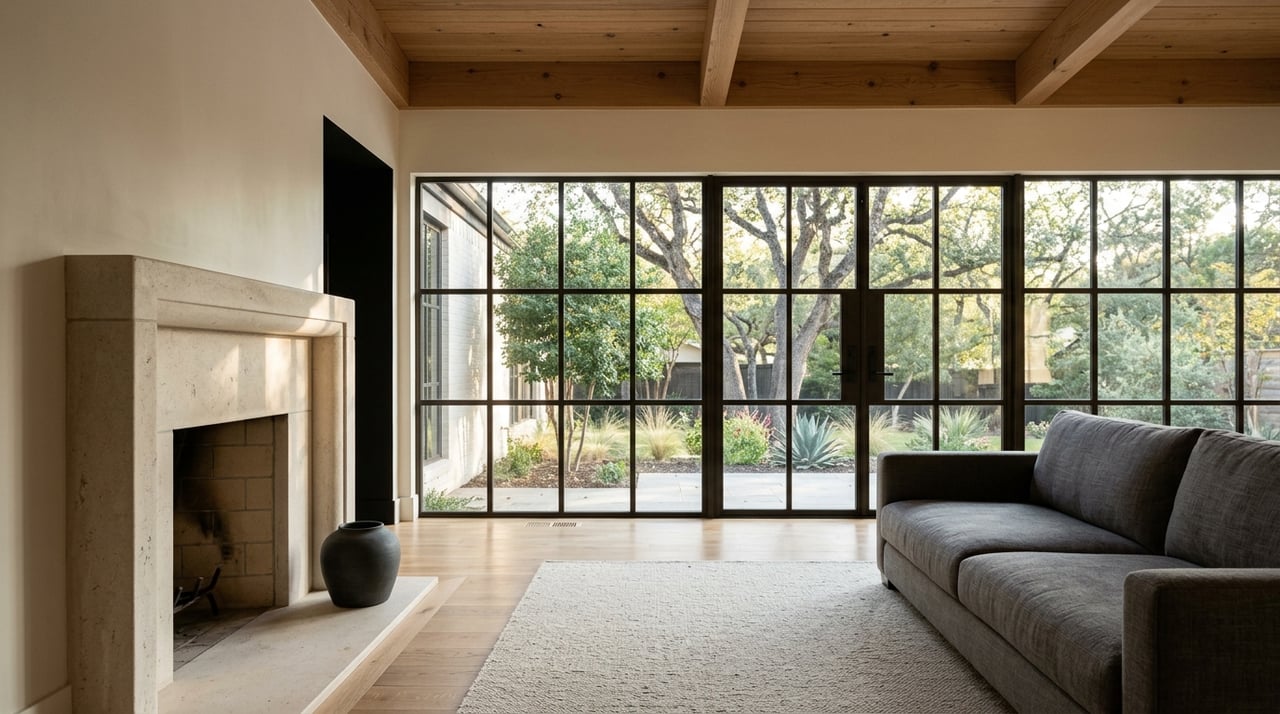
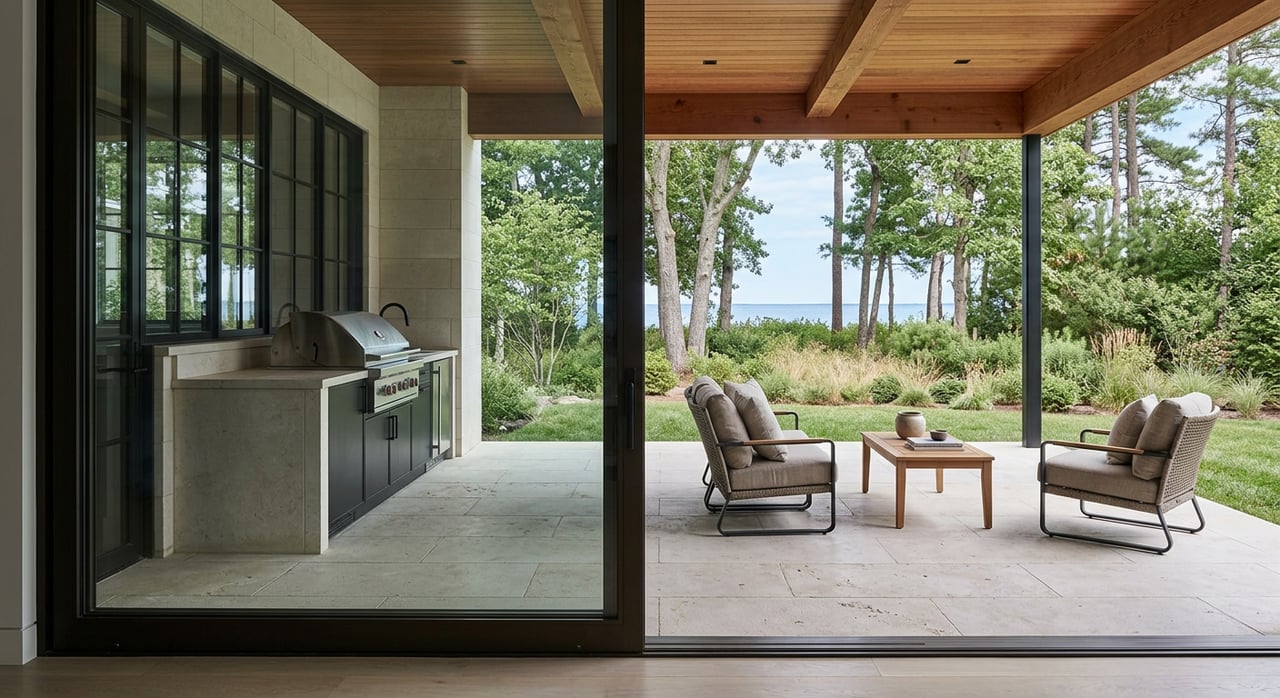
Newer builds showcase crisp forms, tall ceilings and floor-to-ceiling glazing. You’ll see larger kitchens with islands, flexible living zones and integrated outdoor rooms. Many sit on lots where a smaller house once stood, which allows for more square footage and new systems.
Buyer takeaways: You benefit from modern efficiency, open plans and current finishes. Be aware that specialized materials like large glass assemblies, flat roofs and metal roofs require informed maintenance. Also consider site factors like drainage and tree protection during construction.
Permitting insight: Demolition or new construction typically goes through City of Austin Development Services. If a property has potential historic value, check with Historic Preservation early in planning.
Renovation, permits and maintenance
Before you plan work, confirm age, size and recorded updates. The Travis County Appraisal District is a reliable source for property age, lot dimensions and assessment history. Then review the City of Austin permit history and requirements for your scope of work.
Common era-specific needs:
- Pre-1950 cottages and bungalows
- What to watch: pier-and-beam foundations, older wiring and plumbing, single-pane windows, limited insulation
- Typical upgrades: foundation stabilization, re-wiring, HVAC replacement, insulation, window repair or replacement
- 1950s to 1970s mid-century and ranch
- What to watch: slab settlement, aging low-slope roofs, insufficient insulation, dated mechanicals
- Typical upgrades: roof replacement, added insulation, mechanical updates, kitchen and bath modernization
- Contemporary and new builds
- What to watch: maintenance for flat roofs and large glazing, specialty materials, drainage and landscaping upkeep
- Typical upgrades: routine systems maintenance and attention to warranties
Permits and reviews:
- Most structural, electrical, plumbing and mechanical work requires a building permit. Start with the City’s Development Services checklists.
- If a property is designated historic or within a protected overlay, changes may require review. Confirm status with Historic Preservation before committing to plans.
- Tree protection and stormwater rules often shape demolition and new construction in established neighborhoods.
Timelines and costs vary by scope. Cosmetic updates are generally faster. Structural additions and foundation work take more time. Full custom builds require the longest permitting and construction windows.
Pricing and demand by style
In Tarrytown, location and lot size drive value first, but style matters. Well-maintained historic cottages with sensitive updates often attract buyers who value character and neighborhood scale. Mid-century homes with intact features and good orientation are favorites among design-focused shoppers. Contemporary builds command higher prices per square foot when they deliver modern plans, square footage and quality finishes.
Market conditions change. For current trends and inventory in West Austin neighborhoods, the Austin Board of REALTORS publishes regional data and reports. If you are comparing homes by style, focus on recent neighborhood comps, lot size and renovation quality rather than only year built.
Plan a style-focused tour
A focused tour helps you feel the difference between eras. You can compare ceiling heights, room sizes, light, storage and outdoor flow in a single morning.
Pre-tour prep:
- Pull property age, lot size and recent assessments in the Travis County Appraisal District
- Review permit history and any recorded remodels via Development Services
- Choose 4 to 6 homes that represent a bungalow, a ranch or mid-century, an updated traditional and a modern new-build
On-site checklist by style:
- Cottages and bungalows
- Check crawlspace ventilation and moisture where accessible
- Note original millwork, floors and window sash condition
- Evaluate kitchen size and options for a rear addition
- Mid-century and ranch
- Look along slab lines for cracks and door sticking
- Inspect roof condition and ask about insulation levels
- Walk the path from living room to patio and backyard
- Modern new-builds
- Ask about roof and window warranties and the builder’s service process
- Review grading for drainage away from the home and garage
Smart questions for any listing:
- What is the foundation type and has it required repair?
- When were HVAC, electrical panel, roof and plumbing last updated?
- Were additions permitted and finaled?
- Any termite treatments or moisture remediation?
If you want to study style details before you tour, browse the Texas Historical Commission for bungalow and Craftsman guidance and Docomomo US for modern design context. These resources help you recognize authentic features worth preserving.
Work with a local guide
Choosing between charm and glass, or finding a smart blend of both, takes local context. Our family team has guided West Austin buyers through Tarrytown’s full spectrum of styles, from porch-forward bungalows to custom modern builds. We handle in-person and virtual showings, line up vetted inspectors and help you weigh renovation paths against your goals.
Ready to tour with a design lens? Reach out to Allison Winkler to schedule a curated Tarrytown architecture tour. We will map a 60 to 90 minute route across eras, provide a simple style guide and give you an on-site checklist so you can compare homes with confidence.
FAQs
What architectural styles define Tarrytown?
- You will see early cottages and bungalows, mid-century and ranch homes, updated traditional properties and contemporary new-build modern designs.
How does style affect daily living and layout?
- Bungalows feel cozy with defined rooms, mid-century homes are more open and single level, and modern builds deliver large kitchens, flexible zones and indoor-outdoor flow.
What permits do I need for a Tarrytown renovation?
- Most structural, electrical, plumbing and mechanical work requires City of Austin permits, and historic status can add review steps.
Are older Tarrytown homes hard to maintain?
- They can require foundation, mechanical and insulation updates, but many owners modernize systems while preserving character.
Do modern new-builds require special upkeep?
- Yes, features like flat roofs and large glazing need informed maintenance and attention to warranties and drainage.
How do I compare pricing across styles in Tarrytown?
- Focus on lot size, location, renovation quality and recent neighborhood comps, since style and square footage both influence value.